48+ Cost Of Poor Data Quality Gartner, According to gartner’s
Written by Lotte Straub Feb 23, 2022 · 10 min read
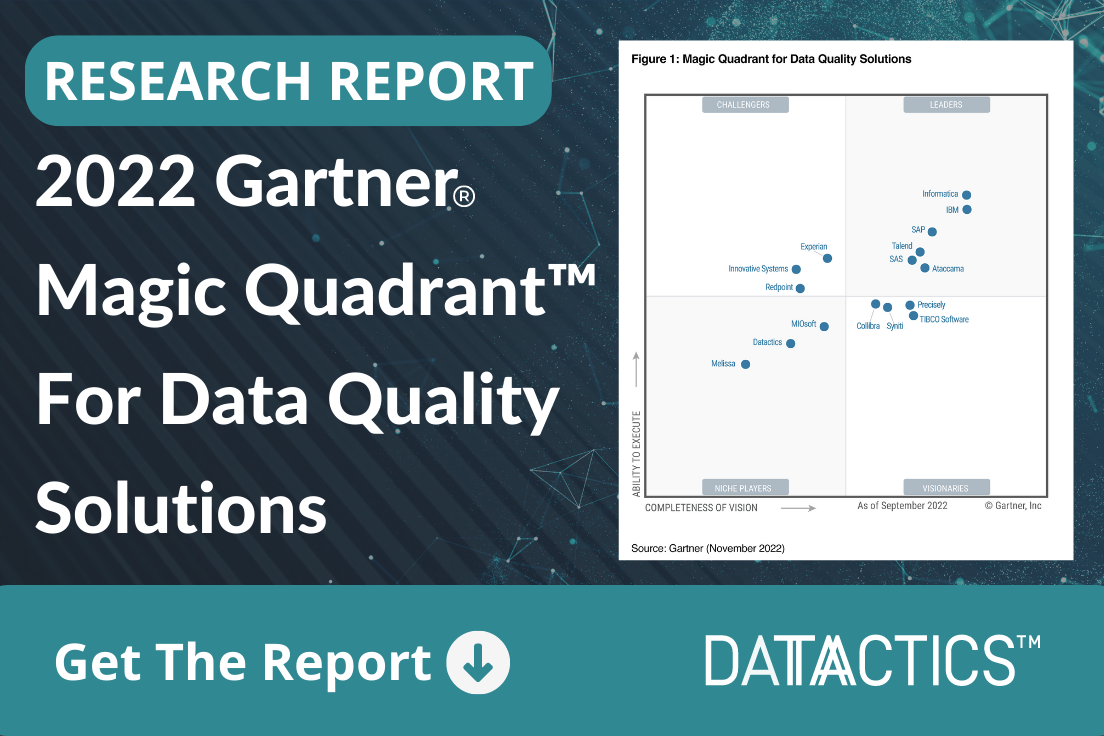
Gartner suggests that poor data quality costs organizations an average of $12.9 million annually. As per gartner’s 2020 magic quadrant for data quality solutions, poor data quality costs organizations an average of $12.8 million every year.
Cost Of Poor Data Quality Gartner. We describe the key trends in this vital area for information. Metadata activation is the backbone of level 5. “failing to measure this impact results in reactive. This figure includes decreased productivity, missed opportunities, and damaged reputation. Nearly 60% of organizations don’t measure the annual financial cost of poor quality data, according to the gartner survey. According to gartner, poor data quality costs organizations an average of $12.9 million annually —a staggering figure that emphasizes just how critical accurate data is for. As per gartner’s 2020 magic quadrant for data quality solutions, poor data quality costs organizations an average of $12.8 million every year.
According to gartner, poor data quality costs organizations an average of $12.9 million annually —a staggering figure that emphasizes just how critical accurate data is for. Poor data quality destroys business value. Gartner predicts that by 2022, 70% of organizations will rigorously track data quality levels via metrics, improving it by 60% to significantly reduce operational risks and costs. Nearly 60% of organizations don’t measure the annual financial cost of poor quality data, according to the gartner survey. We describe the key trends in this vital area for information. Gartner estimates that poor data quality costs organisations $12.9 million every year on average.1 a 2017 mit sloan management review study put the price of bad data for most companies at.
Gartner Predicts That By 2022, 70% Of Organizations Will Rigorously Track Data Quality Levels Via Metrics, Improving It By 60% To Significantly Reduce Operational Risks And Costs.
Cost of poor data quality gartner. However, many organizations are operating in unmanaged data mode or organized cleanup. As per gartner’s 2020 magic quadrant for data quality solutions, poor data quality costs organizations an average of $12.8 million every year. Gartner suggests that poor data quality costs organizations an average of $12.9 million annually. According to gartner’s research, “the average financial cost of poor data quality on organizations is $9.7 million per year.” in other words, the cost of poor data quality is 15% to. This figure includes decreased productivity, missed opportunities, and damaged reputation.
We describe the key trends in this vital area for information. Organizations that achieve this level of maturity lower costs of implementing the data integration practice. Quality leaders can use this report to compare their cost of quality programs to those of peer organizations and determine any necessary adjustments. Gartner predicts that by 2022, 70% of organizations will rigorously track data quality levels via metrics, improving it by 60% to significantly reduce operational risks and costs. So the obvious danger is synthetic data might be poor quality, or just wrong, so using the right techniques to make data for each use case is as vital as checking it thoroughly.
Follow these 5 steps to effectively design a compelling data quality improvement business case. Nearly 60% of organizations don’t measure the annual financial cost of poor quality data, according to the gartner survey. At one telco, for example, an estimated 60 to 80 percent of a data team’s time spent finding,. Gartner estimates that poor data quality costs organisations $12.9 million every year on average.1 a 2017 mit sloan management review study put the price of bad data for most companies at. Poor data quality destroys business value.
According to gartner, poor data quality costs organizations an average of $12.9 million annually —a staggering figure that emphasizes just how critical accurate data is for. Metadata activation is the backbone of level 5. “failing to measure this impact results in reactive. “all of the publishers named in the article accepted fees, likely on the order of $1000 each, to publish this junk,” he notes. Recent gartner research has found.